
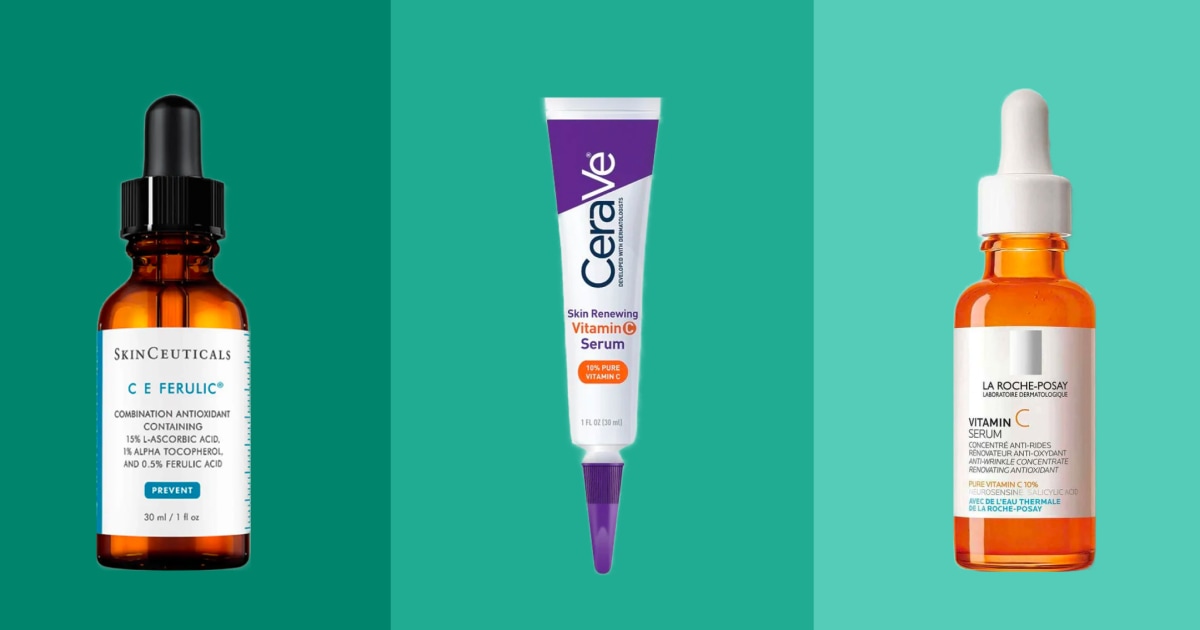
Vitamin C has become a staple in modern skincare routines, and for good reason. Known for its antioxidant properties, it can brighten your complexion, reduce signs of aging, and even out skin tone. But with so many options on the market, choosing the right serum can feel overwhelming. Understanding your skin type and specific concerns is crucial for making the best choice. This guide will walk you through everything you need to know to select the best vitamin C serum for your skin type while also addressing concerns like hyperpigmentation.
Understanding the Benefits of Vitamin C
Before diving into skin types and serum formulations, it’s important to understand what vitamin C does for your skin. Vitamin C is a powerful antioxidant that helps combat free radicals caused by sun exposure and pollution. Regular use can promote collagen production, helping your skin maintain elasticity and reduce fine lines. Additionally, vitamin C can help fade dark spots and hyperpigmentation, giving your skin a more even tone and a natural glow.
Choosing the right formulation can maximize these benefits. Serums typically come in different concentrations and combinations, so understanding what suits your skin type will help you achieve optimal results.
Identifying Your Skin Type
The first step in selecting a vitamin C serum is identifying your skin type. Using a serum suited to your skin can prevent irritation, breakouts, and other unwanted reactions. Common skin types include:
- Oily skin: Tends to produce excess sebum, leading to shine and potential breakouts.
- Dry skin: Lacks moisture and may feel tight or flaky.
- Combination skin: Exhibits both oily and dry areas, usually with an oily T-zone.
- Sensitive skin: Easily irritated by products, often reacting with redness or stinging.
Understanding your skin type will help you determine the ideal formulation and concentration of vitamin C.
Choosing the Right Formulation
Vitamin C serums come in several forms, each with unique properties and benefits:
- L-Ascorbic Acid: The most studied form of vitamin C, known for its effectiveness in brightening and improving skin texture. It is potent but can be irritating to sensitive skin.
- Sodium Ascorbyl Phosphate: A gentler form suitable for sensitive or acne-prone skin.
- Magnesium Ascorbyl Phosphate: Known for hydration benefits, ideal for dry skin types.
- Tetrahexyldecyl Ascorbate: Oil-soluble and suitable for both dry and combination skin.
Concentration matters as well. For beginners, a lower concentration (around 10%) can help your skin adjust, while more experienced users may benefit from concentrations up to 20%.
Matching Vitamin C to Your Skin Concerns
Different skin concerns may require different types of vitamin C formulations. Here’s how to match your serum to your needs:
- Hyperpigmentation: Look for serums that specifically target uneven skin tone and dark spots. These formulations may also contain additional ingredients like niacinamide or licorice extract to enhance results. Opting for the best products for hyperpigmentation can make a noticeable difference in your complexion.
- Aging: If fine lines and loss of elasticity are your main concerns, choose a serum with a higher concentration of vitamin C, possibly combined with peptides or hyaluronic acid.
- Acne-prone skin: Select non-comedogenic, gentle formulations to reduce irritation while still benefiting from antioxidant protection.
Packaging and Storage Considerations
Vitamin C is highly unstable and can degrade when exposed to light, air, or heat. To maintain potency, choose serums in dark, airtight bottles. Pump dispensers are preferable to droppers because they limit air exposure. Storing your serum in a cool, dark place will help preserve its effectiveness.
How to Apply Vitamin C Serum
Correct application can enhance the benefits of your serum. Follow these steps for the best results:
- Cleanse: Start with a clean face to remove dirt and oil.
- Apply serum: Use a few drops of the serum and gently massage it onto your face and neck.
- Layer carefully: Allow the serum to absorb before applying moisturizer or sunscreen.
- Sunscreen: Always use sunscreen during the day, as vitamin C works best in conjunction with UV protection.
Consistency is key. Using your serum daily, typically in the morning, can help maintain brighter and healthier skin over time.
Combining Vitamin C with Other Ingredients
Vitamin C can be even more effective when combined with complementary skincare ingredients:
- Vitamin E: Enhances antioxidant protection.
- Ferulic acid: Stabilizes vitamin C and improves its efficacy.
- Hyaluronic acid: Provides hydration and supports skin barrier function.
- Niacinamide: Can help target hyperpigmentation and improve skin texture.
When combining products, it’s important to introduce them gradually to avoid irritation and ensure your skin responds well.
Common Mistakes to Avoid
Even with the best intentions, misuse of vitamin C serum can reduce its effectiveness or irritate the skin. Avoid these common mistakes:
- Using expired serum: Vitamin C loses potency over time, so check expiration dates.
- Skipping sunscreen: Vitamin C alone cannot protect against UV damage.
- Overuse: Applying too much or using it multiple times a day can irritate the skin.
- Mixing incompatible products: Avoid combining vitamin C with strong acids or retinoids without guidance, as this can cause sensitivity.
Tips for Choosing the Best Serum
To make an informed decision when buying a serum, consider the following:
- Check the concentration and type of vitamin C to match your skin type and concerns.
- Look for additional ingredients that support your goals, such as hydration, anti-aging, or brightening.
- Choose a product in protective packaging to maintain potency.
- Read reviews or consult dermatologists if you have sensitive skin or specific concerns.
By taking these steps, you can confidently select a serum that addresses your needs and enhances your skincare routine.
Choosing the best vitamin C serum is not just about picking the most popular product. Understanding your skin type, concerns, and the various formulations available can help you find a serum that truly works. Regular use, proper storage, and consistent application can make a significant difference in improving skin tone, texture, and radiance. For those struggling with uneven skin or dark spots, integrating the best products for hyperpigmentation can accelerate results and support a healthy, glowing complexion. With the right approach, vitamin C can become a powerful ally in achieving your skincare goals.


More Stories
Stay Healthy, Stay Happy: Simple Tips for a Vibrant Life
10 Simple Health Tips to Transform Your Life Today
10 Surprising Everyday Habits That Secretly Boost Your Health